
Leadership, Culture and Governance
Section 04
Undoubtedly one of the most shocking contradictions between what the Board says and how the bank acts became more visible after the RTÉ documentary Trackers: The People v The Banks. The programme, broadcast in late 2025, highlighted the continuing impact of the scandal on families and the slow, often painful path toward resolution. Reports emerged that internal messages on a Bank of Ireland staff platform mocked campaigner Padraic Kissane and referenced the tracker-mortgage controversy following RTÉ's documentary coverage. The incident prompted political reaction, with the then Finance Minister Paschal Donohoe stating he was "disappointed" by the reported comments and emphasising the seriousness of the tracker-mortgage scandal for affected borrowers.
Cultural problems at Bank of Ireland
Political Reaction to Tracker Mortgage Scandal and Cultural Problems at Bank of Ireland
"The consequences and repercussions of it continue to be very real for some within our country."
“Utterly inappropriate.”
Minister for Finance Paschal Donohoe TD , November 2025
Bank of Ireland described the internal remarks as "completely unacceptable" and confirmed it had launched a formal investigation. The episode reignited wider political and public concern about an ongoing negative culture and accountability in the context of the tracker mortgage scandal.
Padraic Kissane told The Business Post, which first reported the story, that he was "upset, hurt and angered" by the posts, and said one of them was "appalling". To date none of the findings have been made public.
Who is in charge?
The current Board of Bank of Ireland is responsible, not for creating the bank's role in the tracker mortgage scandal, but for confronting the continued damage and failing to 'Stop the Harm' in unresolved cases and where homes continue to be lost under its leadership. Moreover, continued high profile public apologies and out of court settlements for derogatory comments by staff about third parties indicate that Bank of Ireland still has work to do.
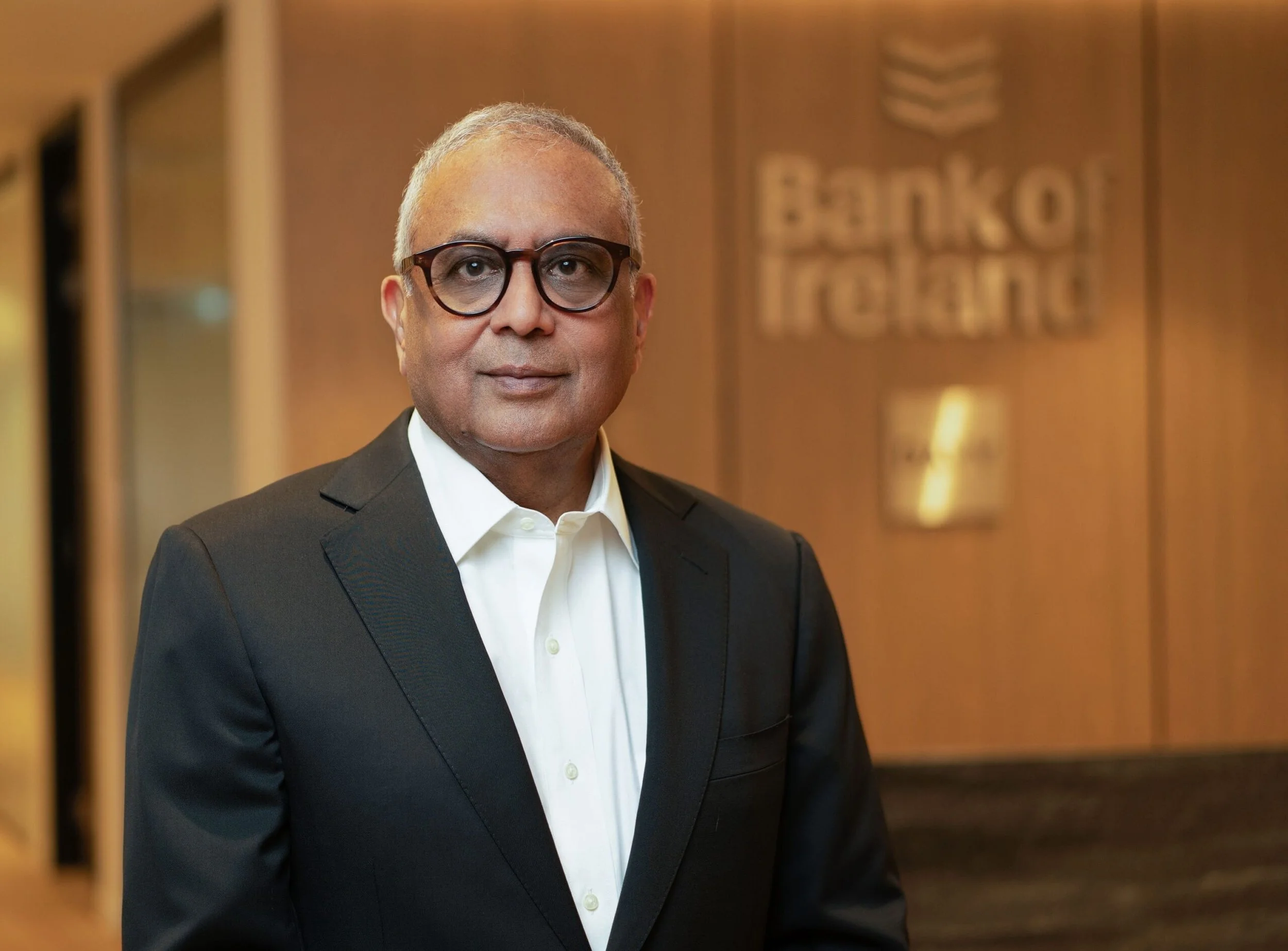
Akshaya Bhargava
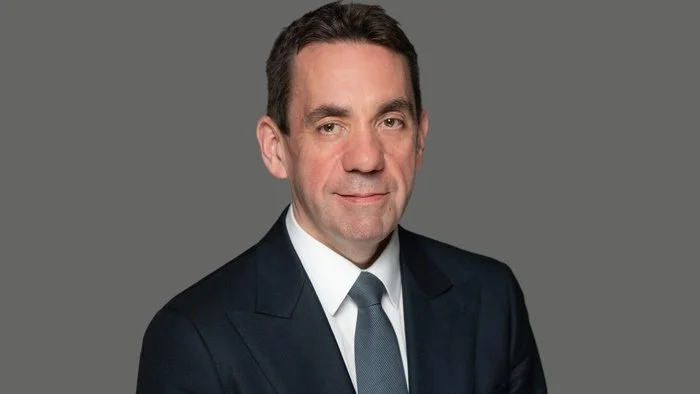
Myles O’ Grady

Mark Spain
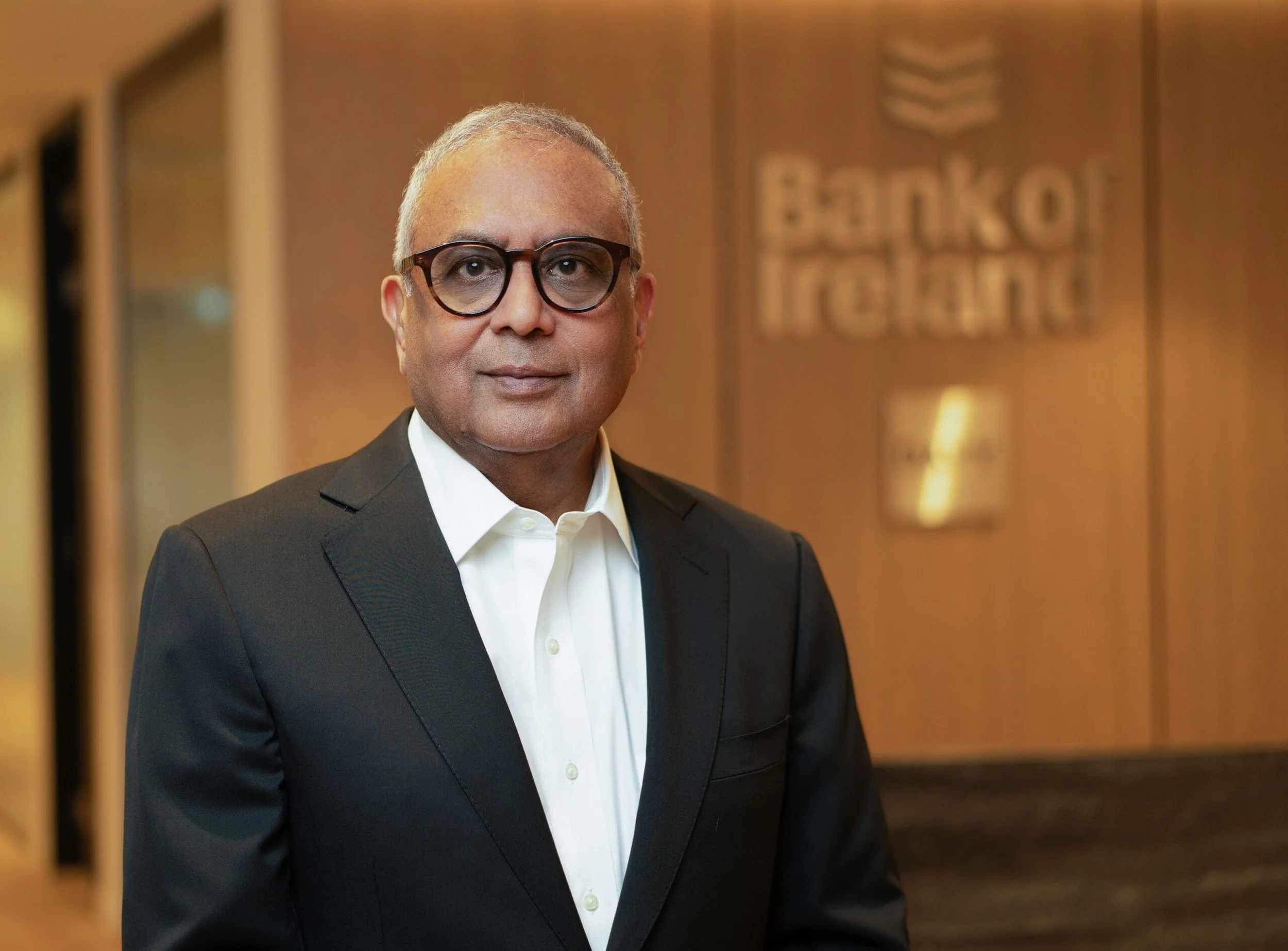
Chair: Akshaya Bhargava
The bank's Chair, Akshaya Bhargava, appointed in 2025, reportedly brings decades of experience in global financial services and digital transformation. His leadership is intended to represent a break from past practices and a renewed focus on customer trust. Yet those affected by the loss of their homes as a result of tracker issues still face damaging consequences and continued problems under Mr. Bhargava’s leadership. Their ongoing struggles suggest that while Bank of Ireland has changed its leadership, reported failings remain active and seriously unaddressed .
CEO: Myles O’ Grady
Chief Executive Myles O' Grady, who assumed the role in 2022, has consistently emphasised fairness and responsibility in his public messaging. As a former Chief Financial Officer when elements of the tracker mortgage scandal were under scrutiny, his leadership places him at the centre of the bank's efforts to reconcile its actual behaviours with its commitments.
Customers still experiencing harm report watching closely how Bank of Ireland responds to the continued loss of family homes, as for them, the bank's culture isn’t defined by PR statements but by its behaviour in their individual cases. This is especially so when the CEO had received written evidence shared with him of calculation and overcharge problems on mortgages bought from KBC, which Bank of Ireland denied, yet ultimately resulted in the loss of property and other severe harm. Moreover, under Myles O’ Grady’s leadership, Bank of Ireland continued to overcharge the customer and threaten repossession of the home.
CFO: Mark Spain
Group Chief Financial Officer Mark Spain oversees financial reporting and ensures the accuracy of provisions and disclosures to regulators and investors. For customers suffering from the impact of grossly inflated and inaccurate redemption figures and apparent due diligence failures, it inevitably raises questions for the CFO about whether financial governance has evolved enough to ensure that all harm is properly understood and finally curtailed.
Non-Executive Directors
The independent non-executive directors on the Board hold key oversight roles in challenging management, scrutinising risk and ensuring the interests of customers are protected, even when doing so is inconvenient or costly. Several directors bring backgrounds in risk and compliance, European banking and operational transformation.
These are precisely the areas that show weaknesses, and where in some cases Bank of Ireland's behaviour in the tracker mortgage scandal continues to cause harm. Their presence signals apparently stronger governance, yet unresolved cases and reported cultural difficulties highlighted in the media, suggests the Board is struggling with embedding customer-focused decision-making in the management team.
The Board's responsibility is to ensure that these customers are no longer caught in systems that fail to protect them. The fact that in some cases the current Board continues to rely on legal cases where homes have been lost, has raised serious questions about their committent to fair resolution.
The central governance question for the Board in 2026 is simple: why is it failing to ensure that customers are no longer suffering continued harm from failures for which the Bank is responsible?
Michele Greene is Deputy Chair and Senior Independent Director (appointed 2019), with responsibility for supporting board governance and providing an additional channel for independent oversight.
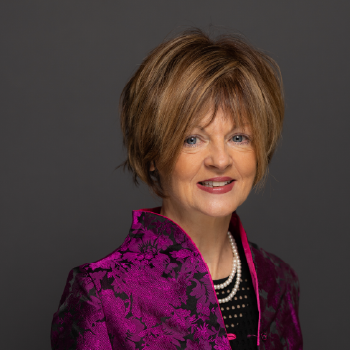
Michele Greene

Giles Andrews
Non-Executive Director (appointed 2020), Giles Andrews contributes to board oversight with experience in financial services, technology and strategic development.

Pascal Boillat
Non-Executive Director (appointed 2026), Pascal Boillat is currently Chief Operating Officer with the London Stock Exchange Group with experience in financial services and technology.
Non-Executive Director (appointed 2025), Emer Finnan contributes to board oversight with experience in legal, regulatory and governance matters.
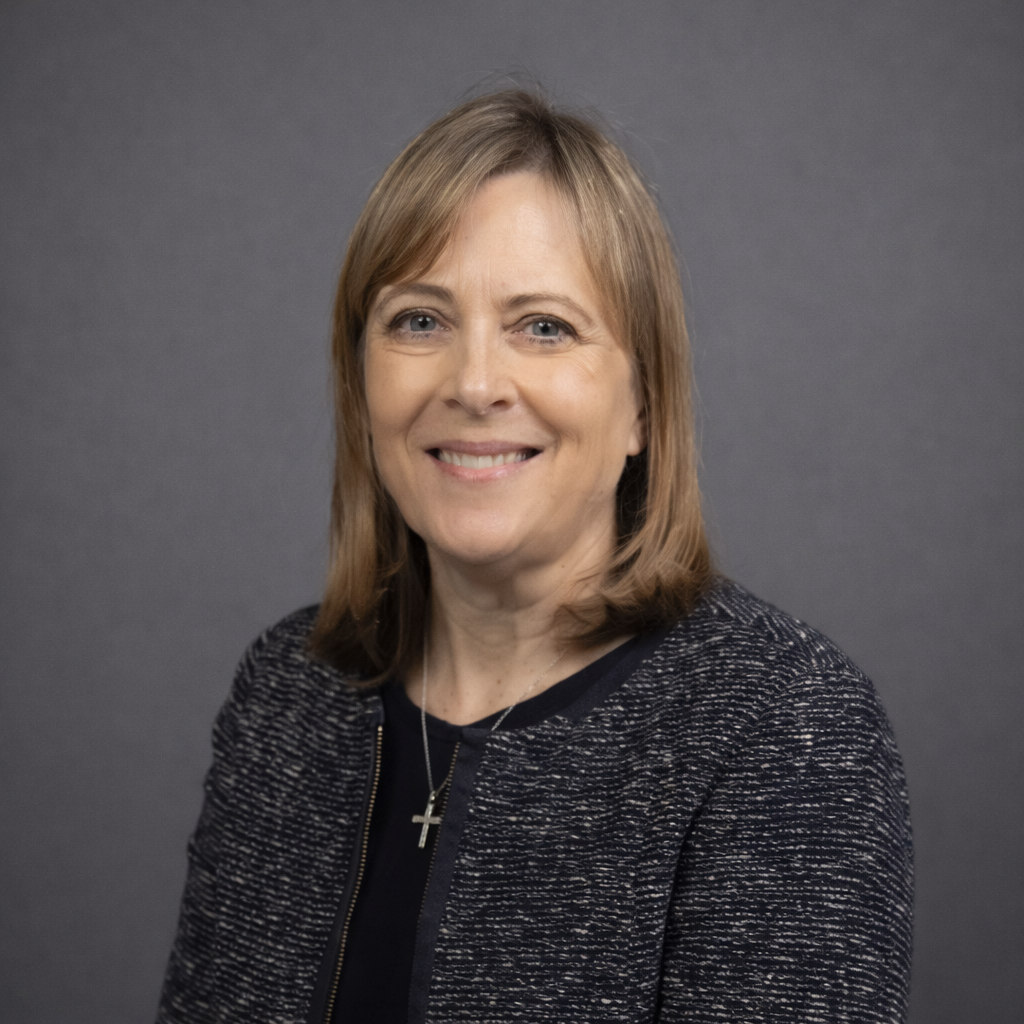
Emer Finnan
Non-Executive Director (appointed 2018), Steve Pateman brings board oversight with experience in banking, lending and customer operations.

Steve Pateman
Non-Executive Director (appointed 2025), Niamh Marshall contributes to board oversight with experience in financial services, investment and governance.

Niamh Marshall
Non-Executive Director (appointed 2025), Hans van der Noordaa brings board oversight with experience in international banking and financial services.

Hans van der Noordaa
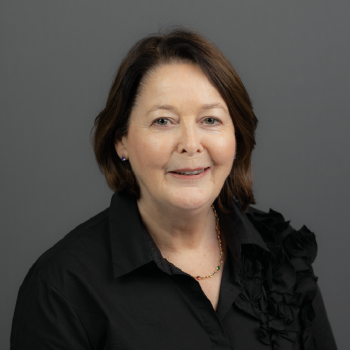
Margaret Sweeney
Non-Executive Director (appointed 2023), Margaret Sweeney contributes to board oversight with experience in financial services, accounting and audit.
Questions for the Board of Bank of Ireland
The central governance question for the Board in 2026 is a simple one: why is it failing to ensure that customers are no longer suffering continuing harm from failures for which the Bank is responsible?
Akshaya Bhargava
"As much as banks would like the closure of the last tracker enforcement case against a firm to draw a line under the debacle, this must not happen. The weight of responsibility now lies on the Central Bank to hold to account those banking executive , past and present, who were involved in breaches."
The Irish Times, on the Tracker Mortgage Scandal, September 2022
"The template has long been set: lessons have been learned; they are now more customer-focused; and nothing is as important to them as winning back trust. We've heard it all before."
The Irish Times, on the Tracker Mortgage Scandal, September 2022
Contact
You Deserve to Be Heard
If you have relevant information or experience relating to Bank of Ireland tracker mortgage issues, you can contact us at: contact@bankofirelandmortgagefailings.org
Sources
This website is based on publicly available sources, including the Central Bank of Ireland's Tracker Mortgage Examination (launched in 2015) and its 2022 enforcement action against Bank of Ireland under the Administrative Sanctions Procedure. It also draws on published decisions of the Financial Services and Pensions Ombudsman (FSPO), including tracker mortgage determinations issued in the years following the Examination. Additional material includes that drawn from publicly listed High Court proceedings and reporting by established Irish media organisations, including RTÉ, in particular the 2025 documentary Trackers: The People v The Banks, The Irish Times, The Business Post and the Irish Independent, together with personal testimony, publicly available statements and annual reports issued by Bank of Ireland and hearings of the Oireachtas Finance Committee. This website is provided for general information and public-interest purposes only. It does not provide financial, legal or mortgage advice. Anyone making decisions about their mortgage or finances should seek advice from an appropriately qualified independent professional.